BS5228 Noise Assessment – Construction Noise and Vibration
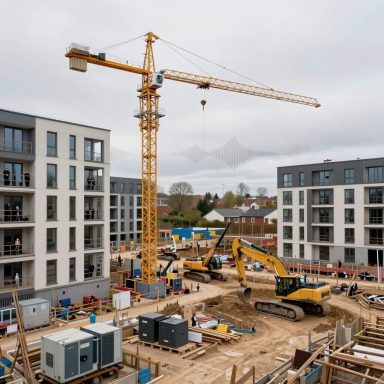
A BS5228 noise assessment is used to evaluate the potential impact of construction noise and vibration on nearby residential properties and other sensitive locations. The standard provides recognised guidance for measuring, predicting, and managing noise generated by construction activities.
Local planning authorities frequently require BS5228 construction noise assessments when developments involve activities such as demolition, excavation, piling, or large-scale building works. These assessments help ensure that construction projects are planned and managed in a way that minimises disturbance to surrounding communities.
What is BS5228?
BS5228:2009+A1:2014 – Code of Practice for Noise and Vibration Control on Construction and Open Sites is the primary UK standard used to assess and manage construction noise and vibration impacts.
The standard provides detailed guidance on:
- predicting construction noise levels
- measuring site noise and vibration
- assessing potential impacts on nearby receptors
- identifying practical noise control measures.
BS5228 is widely used by acoustic consultants, developers, contractors, and local authorities when managing construction-related environmental noise.
When is a BS5228 Noise Assessment Required?
A BS5228 assessment is typically required during the planning or construction stages of major developments.
Planning authorities may request a construction noise assessment for projects such as:
- residential developments
- commercial and industrial buildings
- infrastructure projects
- demolition and redevelopment sites
- energy and utilities installations.
These assessments demonstrate how construction activities will be managed to protect nearby residents and comply with environmental regulations. Many construction activities can generate significant noise or vibration. Examples include:
- demolition works
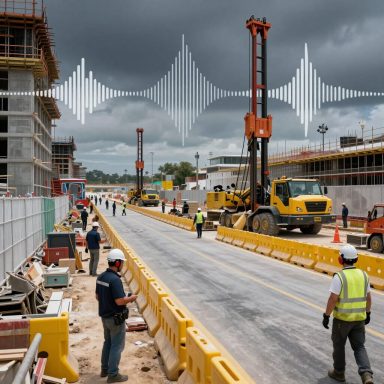
- piling operations
- excavation and groundworks
- concrete breaking
- heavy machinery operation
- material deliveries and site traffic.
Where these activities occur close to residential properties or sensitive buildings, a BS5228 noise assessment helps determine whether mitigation measures are required.
How a BS5228 Noise Assessment Works
A BS5228 assessment evaluates the likely noise impact from construction activities and determines whether those impacts are acceptable.
The assessment process typically includes several stages.
1. Identification of Noise Sources
The acoustic consultant reviews the proposed construction programme to identify key noise-generating activities, equipment, and plant.
Typical construction noise sources include:
- excavators
- piling rigs
- generators
- compressors
- dump trucks
- concrete mixers.
Each piece of equipment may generate different sound levels depending on its operating conditions.
2. Prediction of Construction Noise Levels
Using the methodology described in BS5228, consultants predict the likely noise levels at nearby receptors, such as residential properties, schools, or hospitals.
- Predictions consider several factors including:
- sound power levels of construction equipment
- distance to receptors
- site layout and screening
- number of machines operating simultaneously
- duration of activities.
Noise modelling may be used to determine the expected sound levels at surrounding properties during each stage of the project.
3. Assessment of Noise Impact
Predicted construction noise levels are compared with recognised construction noise thresholds and the existing environmental noise conditions.
The assessment considers factors such as:
- time of day of the activity
- duration of construction works
- proximity to sensitive receptors
- existing background noise environment.
This process helps determine whether construction activities may result in significant noise impacts.
4. Vibration Assessment
Certain construction activities, particularly piling or heavy compaction, can generate ground vibration that may affect nearby structures or residents.
BS5228 provides guidance on assessing:
- vibration levels at surrounding buildings
- potential risk of cosmetic building damage
- vibration perception by occupants.
Where vibration impacts are possible, mitigation measures may be recommended.
Noise Mitigation and Best Practice
If the assessment identifies potential noise impacts, the BS5228 guidance recommends a range of best practice mitigation measures.
These may include:
- selecting quieter construction equipment
- installing temporary acoustic barriers
- positioning plant away from residential receptors
- limiting noisy activities to daytime hours
- implementing good site management practices.
These measures help reduce noise exposure and minimise disruption to nearby communities.
BS5228 assessments are often used to inform a Construction Environmental Management Plan (CEMP). These plans describe how environmental impacts, including noise and vibration, will be controlled during construction. A well-prepared CEMP demonstrates that construction activities will be carried out responsibly and in accordance with recognised environmental guidance.
BS5228 Assessments for Planning Applications
Construction projects can generate significant noise and vibration if not properly managed. BS5228 provides a recognised framework for identifying potential impacts and implementing effective control measures.
A professional BS5228 construction noise assessment can help:
- support planning applications
- reduce the risk of noise complaints
- protect nearby residents
- ensure compliance with environmental regulations.
Planning authorities often require construction noise assessments when approving major developments. Demonstrating compliance with BS5228 helps ensure that projects are designed and managed responsibly.
Early assessment during the planning stage allows developers to identify potential issues and incorporate mitigation measures into the construction strategy.
Securing Planning Approval with Confidence
If your project involves demolition, construction, piling, or infrastructure works, a BS5228 assessment may be required to evaluate potential noise and vibration impacts.
Our acoustic consultants provide professional BS5228 noise surveys and construction noise assessments to support planning applications and environmental compliance.
Contact us today to discuss your project and obtain expert advice on construction noise and vibration assessments.