Acoustic Consultancy Services
We provide independent acoustic consultancy services to support planning applications, environmental assessments and operational compliance across all acoustic sectors, including residential, commercial, industrial, energy, transport, infrastructure, education, healthcare, leisure and mixed-use developments. Our work helps clients understand, manage and mitigate noise and vibration impacts in a clear, proportionate and evidence-based manner.
From baseline noise and vibration surveys through to detailed noise impact assessments and modelling, we deliver robust, defensible reporting that aligns with national guidance, local planning policy and the expectations of planning authorities and environmental health officers.
Our Acoustic Services
Environmental Noise Surveys
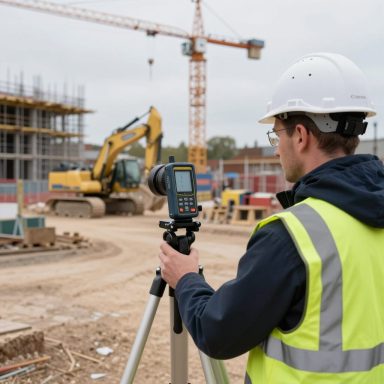
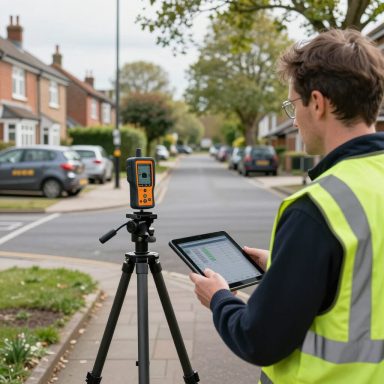
Our specialist acoustic consultancy provides comprehensive environmental noise surveys to establish existing sound environments for residential, commercial and mixed-use developments. These surveys are a critical first step in supporting planning applications, noise impact assessments and acoustic design strategies.
We undertake both baseline noise monitoring and attended noise surveys, ensuring accurate, representative data that reflects the true acoustic character of a site.
Our Environmental Noise Survey Services Include:
- Baseline background and ambient noise level monitoring
- Attended daytime and night-time surveys
- Long-term unattended noise logging
- Measurement of traffic, industrial and commercial noise sources
- Surveys for residential developments and noise-sensitive receptors
All measurements are conducted using calibrated, Class 1 sound level meters and follow appropriate methodologies in line with current British Standards and local authority guidance.

Noise Impact Assessments For Planning and Development
Our specialist acoustic consultancy provides comprehensive noise impact assessments for new and changing developments across the UK. We support planning applications and regulatory compliance for a wide range of schemes, including industrial, commercial, residential, transport and leisure developments.
Each assessment is tailored to the specific nature, scale and operational characteristics of the proposed development, ensuring robust, policy-compliant and defensible results. We provide both baseline noise surveys and predictive acoustic modelling to fully quantify potential impacts on surrounding noise-sensitive receptors.
All assessments are undertaken in accordance with recognised national and international standards, including:
- BS 4142 – Assessment of industrial and commercial sound
- BS 8233 – Guidance on sound insulation and noise reduction for buildings
- BS 5228 – Code of practice for noise and vibration control on construction sites
- WHO Environmental Noise Guidelines
- Relevant local authority planning policies and environmental health requirements
Our expertise ensures that your development aligns with current acoustic best practice and planning policy expectations.

BS 4142 Noise Assessment
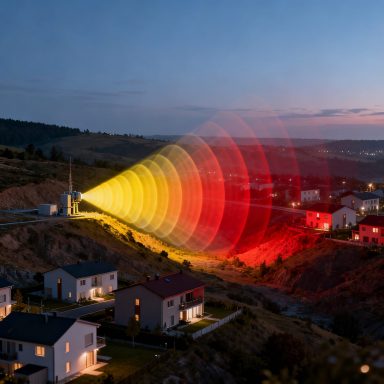
A BS4142 noise assessment evaluates the impact of industrial and commercial noise on nearby residential properties. The standard BS 4142:2014+A1:2019 is widely used in the UK for planning applications, environmental permitting, and noise impact assessments.
The assessment compares the rating level of a noise source, such as plant equipment, industrial operations, or HVAC systems, with the existing background noise level at nearby receptors. The difference between these levels helps determine whether the noise is likely to cause an adverse impact on residential amenity.
A typical BS4142 assessment involves environmental noise monitoring, analysis of acoustic characteristics, and prediction of operational noise levels. Where required, acoustic consultants may recommend mitigation measures such as acoustic enclosures, barriers, or operational controls to ensure compliance with planning requirements.
BS4142 noise assessments are commonly required for industrial developments, commercial premises, energy installations, and mechanical plant associated with new developments.


BS 8233 Noise Assessment
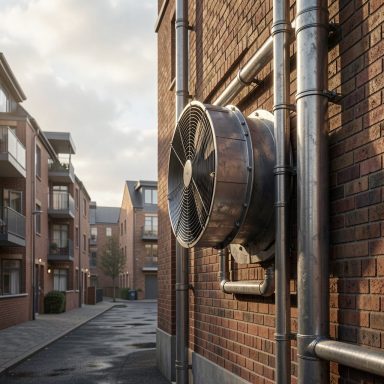
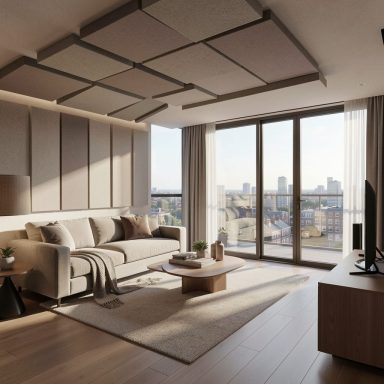
A BS8233 noise assessment evaluates whether acceptable internal and external noise levels can be achieved in new residential or mixed-use developments. The standard BS 8233:2014 is widely used in the UK to support planning applications and environmental noise impact assessments.
BS8233 provides recommended internal noise level limits for buildings, including bedrooms, living rooms, and other habitable spaces, as well as guidance for external amenity areas such as gardens, balconies, and terraces. These criteria help determine whether a proposed development site is suitable for residential use or whether acoustic mitigation measures will be required.
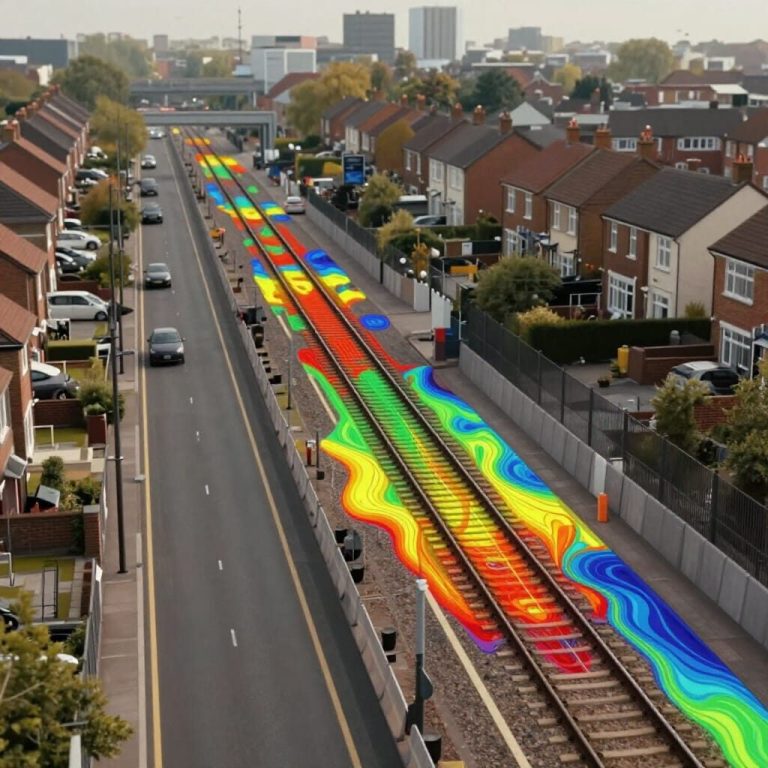
A typical BS8233 assessment involves environmental noise surveys and prediction of future noise levels from sources such as road traffic, railways, aircraft, or nearby industrial activities. Acoustic consultants then assess whether the recommended internal criteria can be achieved within the proposed building design.
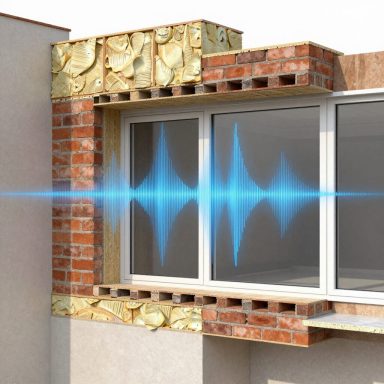
Where noise levels exceed the recommended limits, mitigation measures may be required. These can include enhanced glazing specifications, acoustic ventilation systems, building orientation, façade design, or noise barriers.
BS8233 noise assessments are commonly required for residential developments, mixed-use schemes, hotels, hospitals, and student accommodation, helping ensure that new buildings provide a suitable acoustic environment for occupants.


BS 5228 Construction Noise and Vibration Assessment
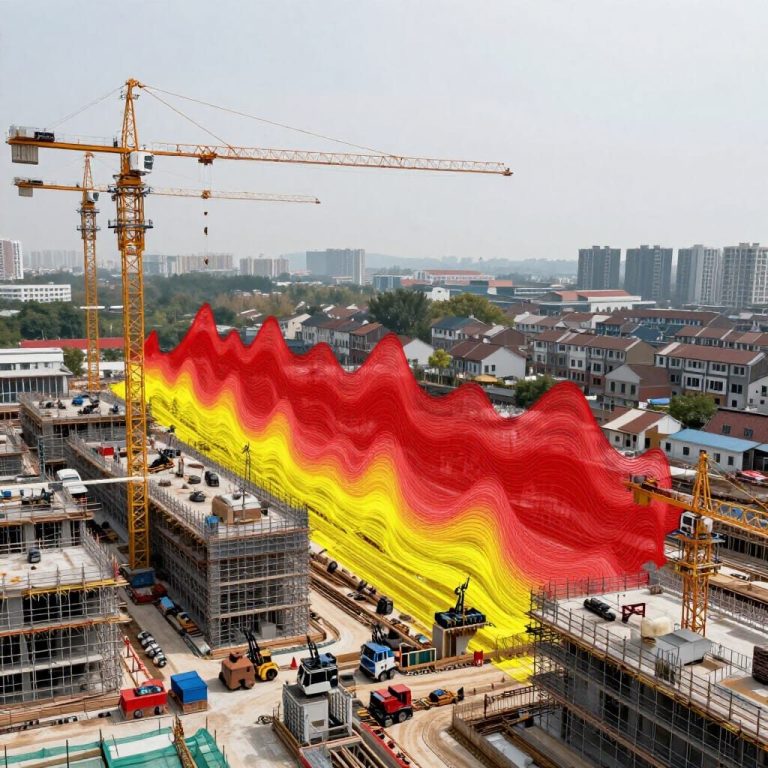
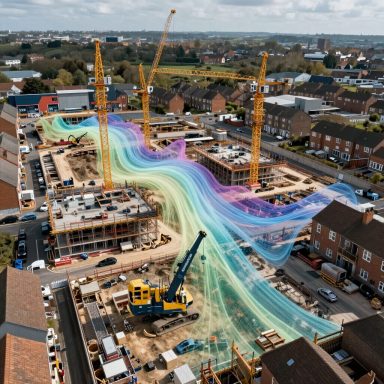
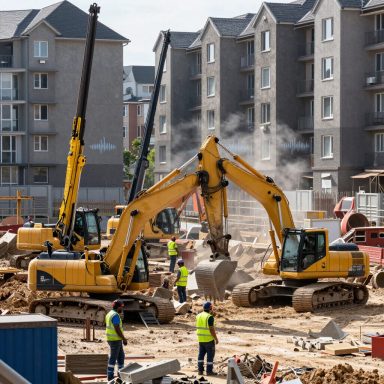
A BS5228 noise assessment evaluates noise and vibration generated during construction and demolition activities. The standard BS 5228 provides guidance on predicting construction noise levels and implementing mitigation measures to minimise disturbance to nearby residents.
BS5228 assessments are often required for major construction projects, infrastructure developments, and planning conditions where temporary construction noise could affect surrounding communities. Acoustic consultants use the standard to predict construction noise levels, assess potential impacts, and recommend mitigation measures such as acoustic barriers, restricted working hours, and quieter equipment.


ProPG Planning & Noise Guidance
The ProPG: Planning & Noise provides guidance on managing noise within the planning system for new residential developments. It is commonly used alongside BS8233 to determine whether a site exposed to environmental noise is suitable for housing.
ProPG introduces a risk-based approach to planning and noise, helping developers and planning authorities assess noise exposure early in the design process. The guidance also encourages the use of good acoustic design, including building orientation, layout, and façade treatments, to reduce the impact of environmental noise on future occupants.


WHO Environmental Noise Guidelines
The WHO Environmental Noise Guidelines for the European Region provide international guidance on recommended environmental noise limits to protect human health. These guidelines focus on noise from sources such as road traffic, railways, aircraft, and wind turbines.
The WHO guidelines identify noise levels associated with sleep disturbance, cardiovascular impacts, and reduced wellbeing, and are frequently referenced in environmental noise assessments and policy guidance.



Noise Mitigation Design & Acoustic Advice
Our acoustic consultancy provides practical, cost-effective noise mitigation design and specialist acoustic advice to support developments at both planning application and discharge of conditions stages.
By integrating mitigation strategies early in the design process, we help reduce planning risk, avoid costly redesign, and ensure compliance with local authority and environmental health requirements.
Where potential noise impacts are identified through environmental noise surveys or impact assessments, we deliver proportionate, buildable and policy-compliant mitigation solutions.
Our Noise Mitigation Services Include:
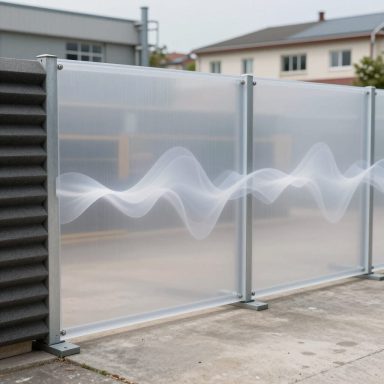
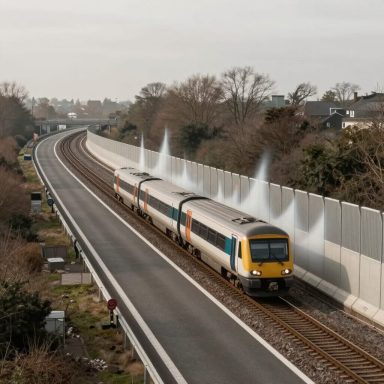
- Acoustic enclosures and noise barrier specifications
- Plant selection and layout optimisation to minimise noise emissions
- Silencer and attenuator design specifications
- Building fabric and façade acoustic design advice
- Operational controls and noise management measures
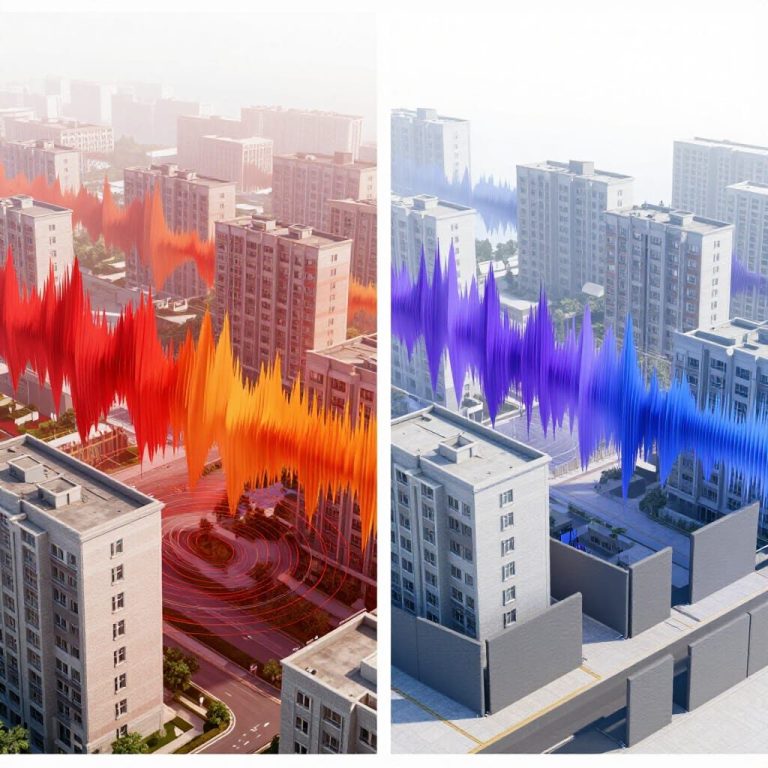
Each solution is tailored to the specific development, operational requirements and site constraints, ensuring practical implementation without unnecessary cost. We also use advanced noise modelling software to accurately predict and visualise sound propagation across complex development sites and surrounding noise-sensitive receptors.
3D Noise Modelling and Simulation
We use advanced Industry Standard Noise Modelling software to accurately predict and visualise noise propagation across complex sites and surrounding areas. Our simulations allow us to:
- Model noise emissions from plant, equipment and site activities
- Assess cumulative noise impacts
- Account for buildings, terrain, screening and barriers
- Identify sensitive receptors and worst‑case scenarios
- Compare design options and mitigation measures
- 3D modelling outputs provide clear visual evidence to support planning decisions and help stakeholders understand predicted noise impacts.
This predictive approach enables potential noise impacts to be identified and addressed before construction or installation begins.